
 Add Preferred Source
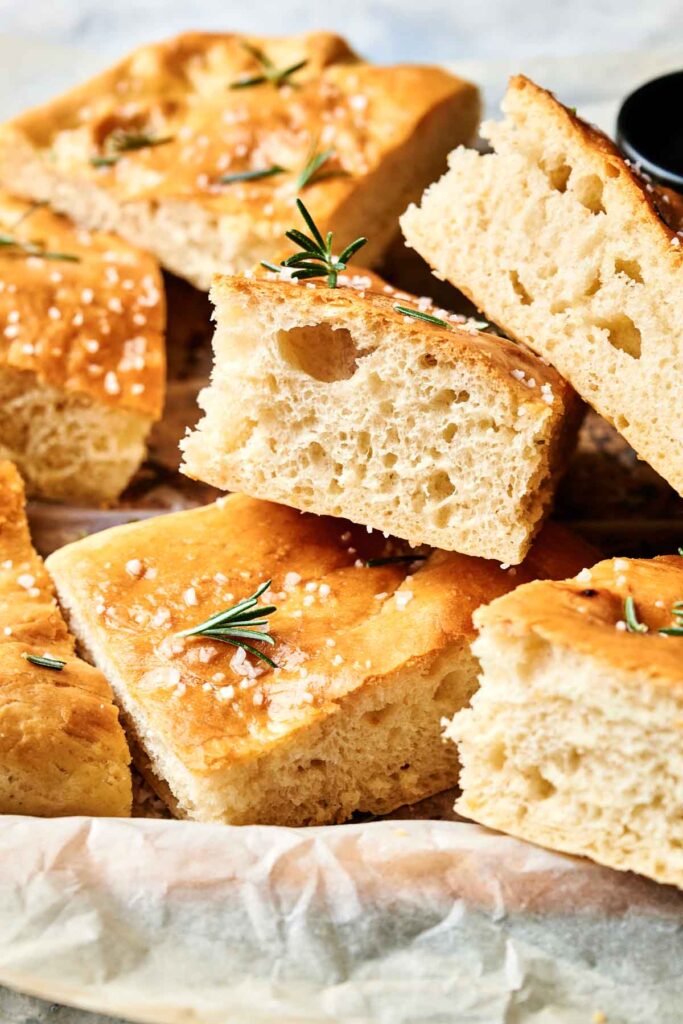
Sourdough Focaccia is the kind of bread that feels like a win every time you make it. You don’t need fancy tools or yeast like other focaccia recipes—just your active starter, a few basic ingredients, and some time. Once it’s baked, you get a golden, crisp-edged bread with a soft, airy center and just enough chew, making everything just worth it!
This post contains affiliate links. As an Amazon Affiliate, if you purchase through those links, I earn a commission. Thank you!
I’ve made this sourdough focaccia bread for dinners, game days, and get-togethers, and it’s always a hit. It’s also quite versatile—you can use it for sandwiches, pair it with a full meal, or enjoy it on its own. It stores well on the counter or in the freezer, and its bakery-style quality always gets people talking and reaching for another piece.
Ingredients You’ll Need
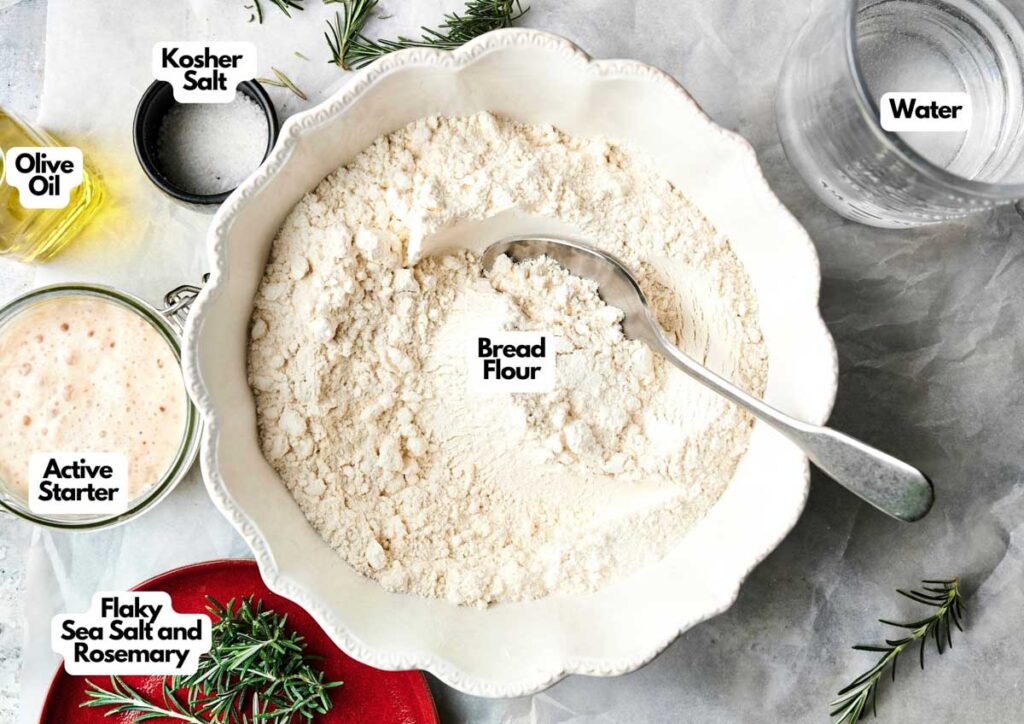
You’ll need all the ingredients shown in the photograph below.
How to Make Sourdough Focaccia with Step-By-Step Instructions
Scroll down for the full recipe card containing a full printable recipe and measurements in both US customary and metric units.
If you follow my simple steps, you’ll find it easy to bring this bakery-style focaccia to life in your own kitchen.
Mix the Dough
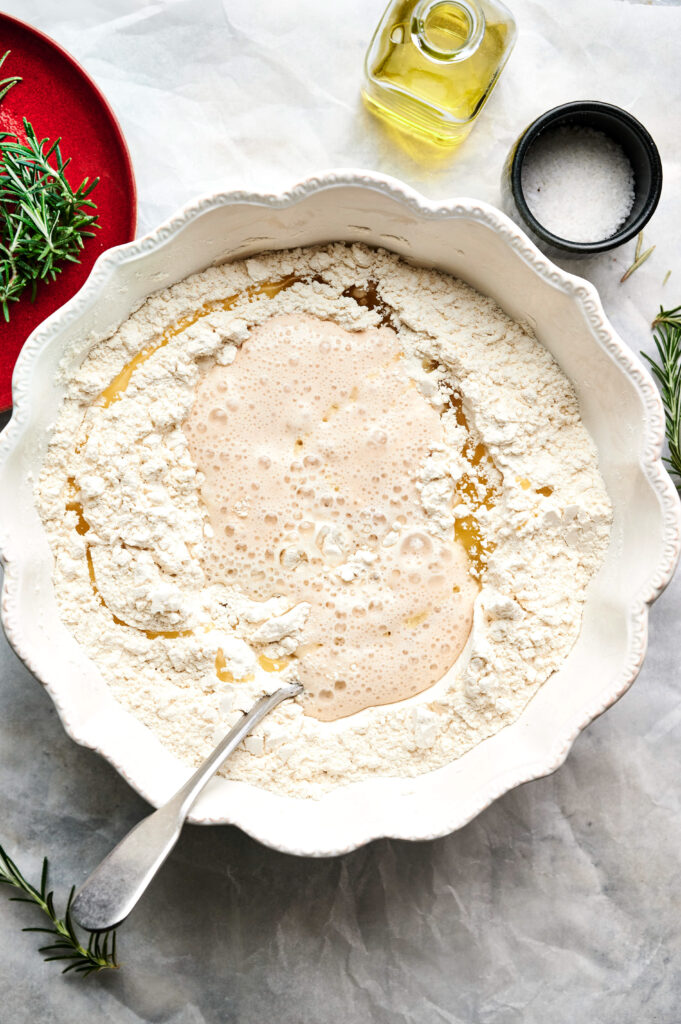
Combine your bread flour and kosher salt in a large mixing bowl. Create a well in the center, then add the active sourdough starter and room-temperature water. Too hot or warm can weaken the starter, while cold can slow down the bulk fermentation.
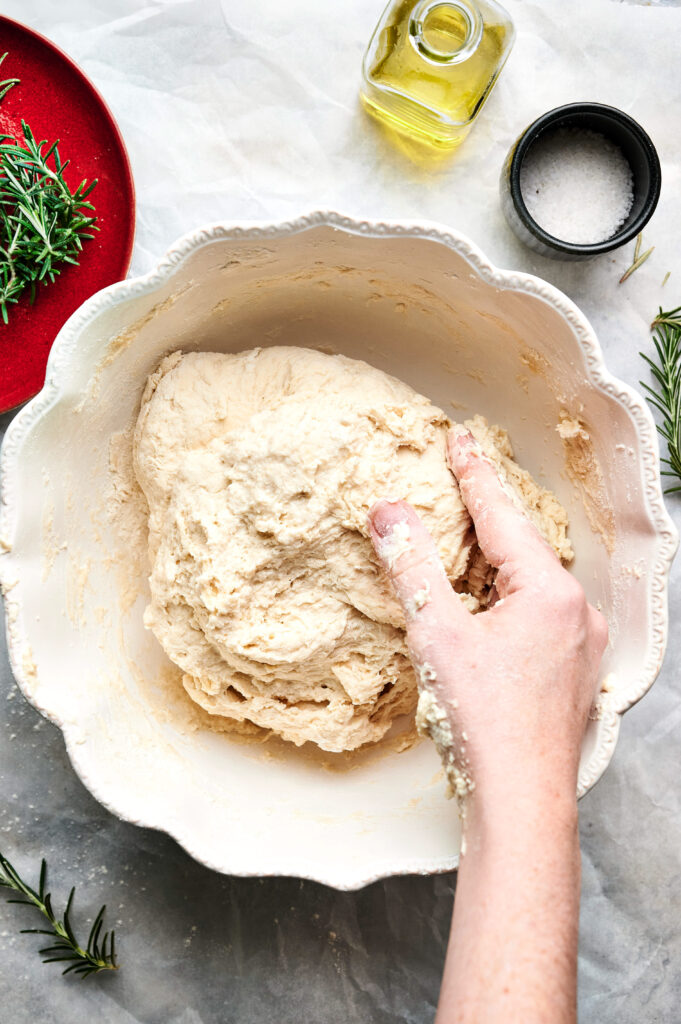
Drizzle in two tablespoons of extra-virgin olive oil. Mix everything together with your hand or a spoon just until it forms a rough, shaggy dough—overmixing can make the dough tighter and harder to stretch later during the folding process.
Cover and Rest
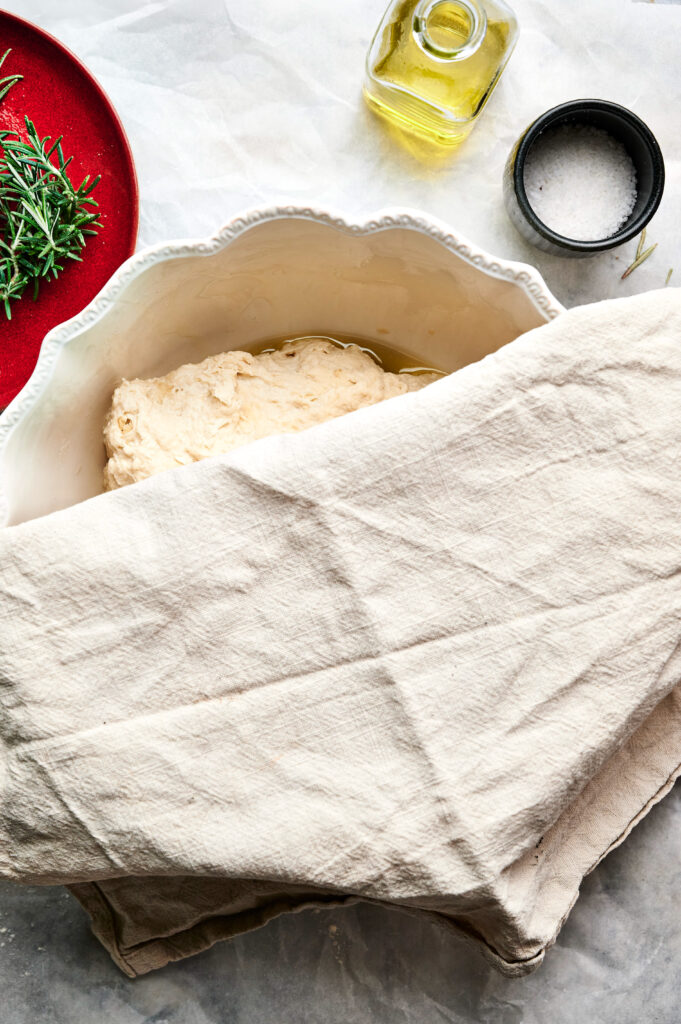
Cover the bowl with a clean, damp kitchen towel and let it rest for 30 minutes. This gives the flour time to fully absorb the water, making the dough easier to work with and enhancing the texture of your sourdough focaccia later on.
Stretch and Fold the Dough
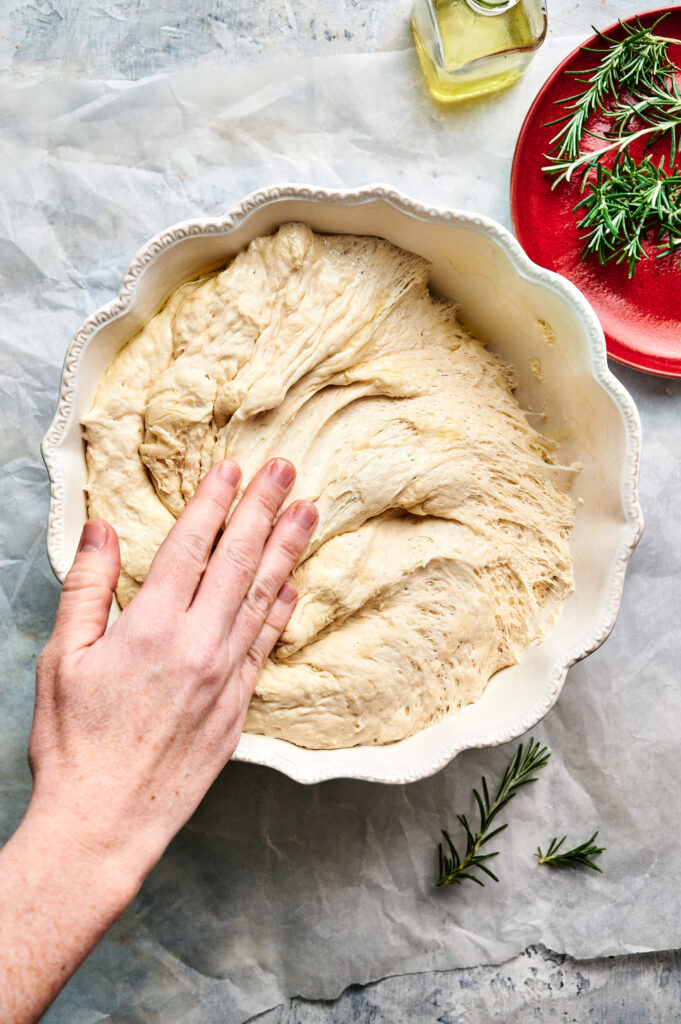
After resting, do a series of stretches and folds to strengthen your dough. Every 30 minutes over the next two hours, grab one side of the dough, stretch it up gently, and fold it over.
Rotate the bowl and repeat on the remaining sides. You’ll do three more folds each time—this technique helps the dough build structure and create an airy, chewy texture without kneading.
Let the Sourdough Rise Overnight
Once the folds are complete, cover the bowl again and leave it at room temperature for 8 to 12 hours. Covering the dough helps it ferment properly and prevents it from drying out.
The dough should double in size and develop lots of bubbles—signs that your sourdough starter is doing its job. Otherwise, your starter may not be strong enough yet, and the focaccia might turn out dense.
Prepare the Pan
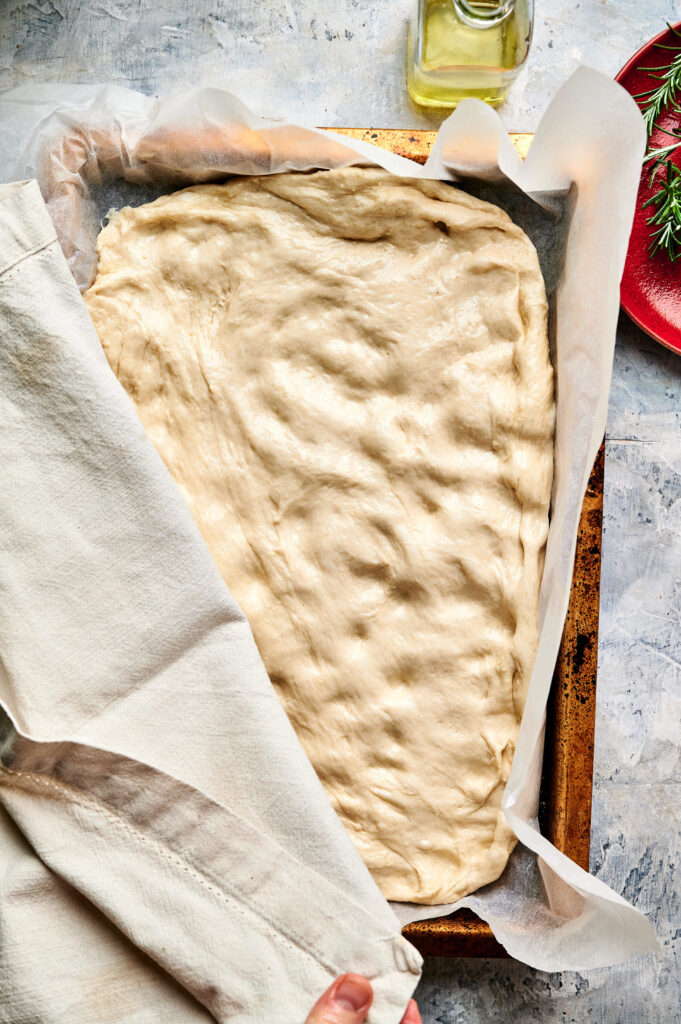
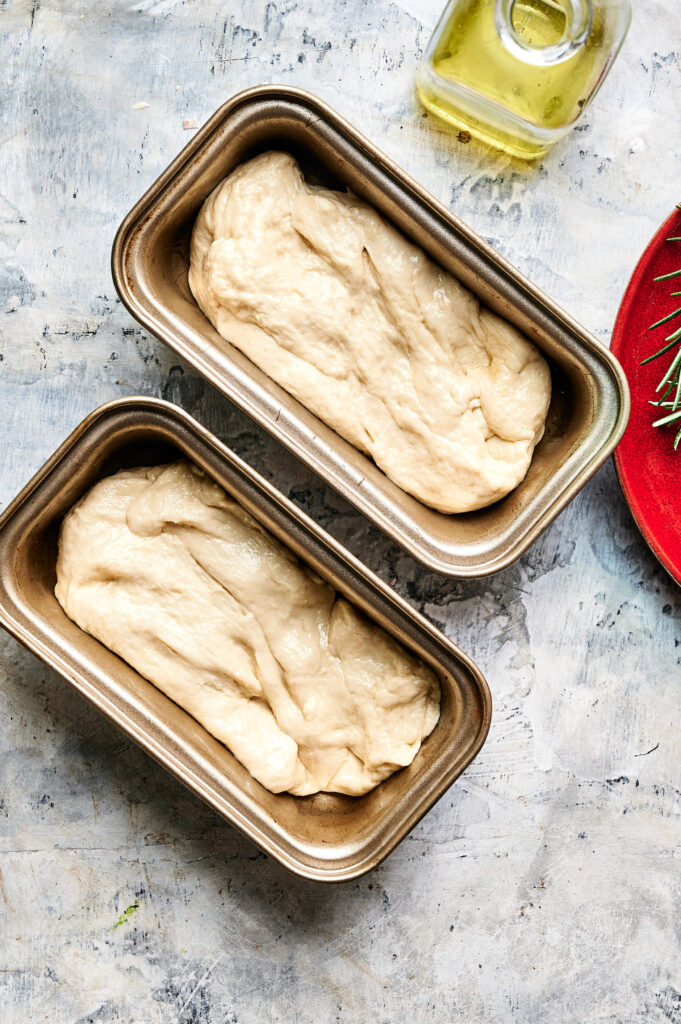
The next day, drizzle a tablespoon of olive oil into a 9×13-inch baking pan or baking dish and spread it around. You can also line the pan with parchment paper if you’ve got some, leaving a bit of overhang for easier removal later.
Shape the Sourdough Focaccia
Carefully transfer the dough into the pan and gently stretch it toward the edges, trying not to deflate or flatten it too much—pressing too hard can knock out the air pockets formed during the rise, which give the bread its light, fluffy texture.
Don’t worry if it doesn’t fully reach the corners, as it will still continue to expand. Cover the pan to let the dough rise again for another 3 to 4 hours, until it looks visibly puffed and airy.
Dimple and Bake
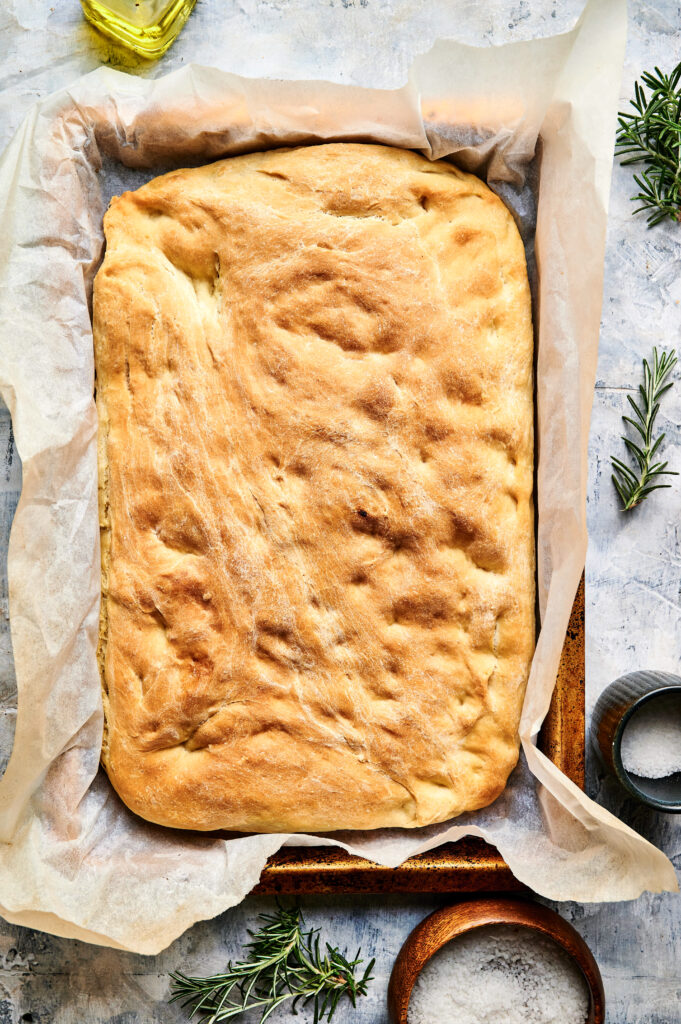
Preheat your oven to 450°F (230°C). Drizzle a little more olive oil over the top of the dough. Using your washed, oiled fingers, press deep dimples across the surface—this helps trap flavor and gives the focaccia its signature look.
Slide the pan into the oven and bake for 20-25 minutes, or until the top of your sourdough focaccia is golden brown and crisp.
Add Final Touches
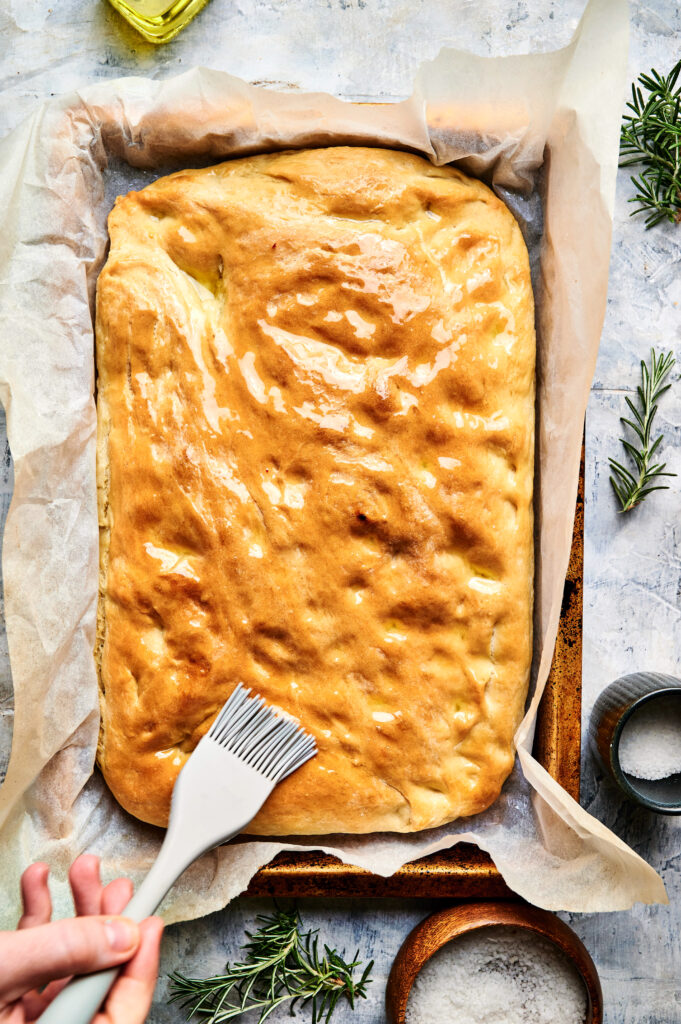
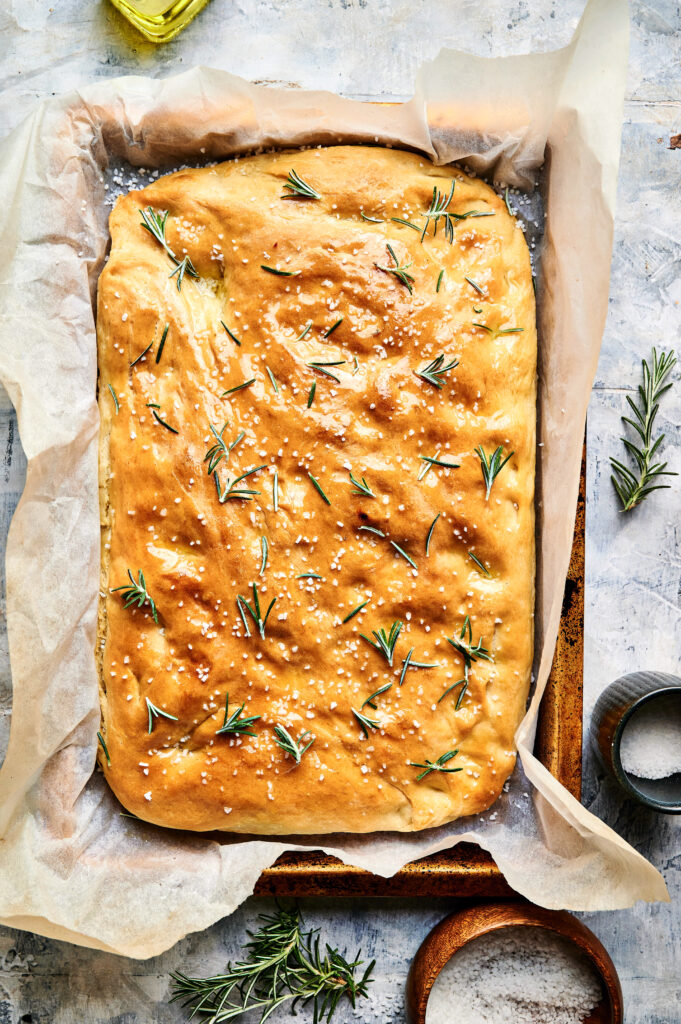
While it’s still warm from the oven, brush it with a bit more olive oil and sprinkle generously with flaky sea salt and freshly chopped rosemary, so the flavors absorb better and you get a boost of aroma.
Slice and Dig In
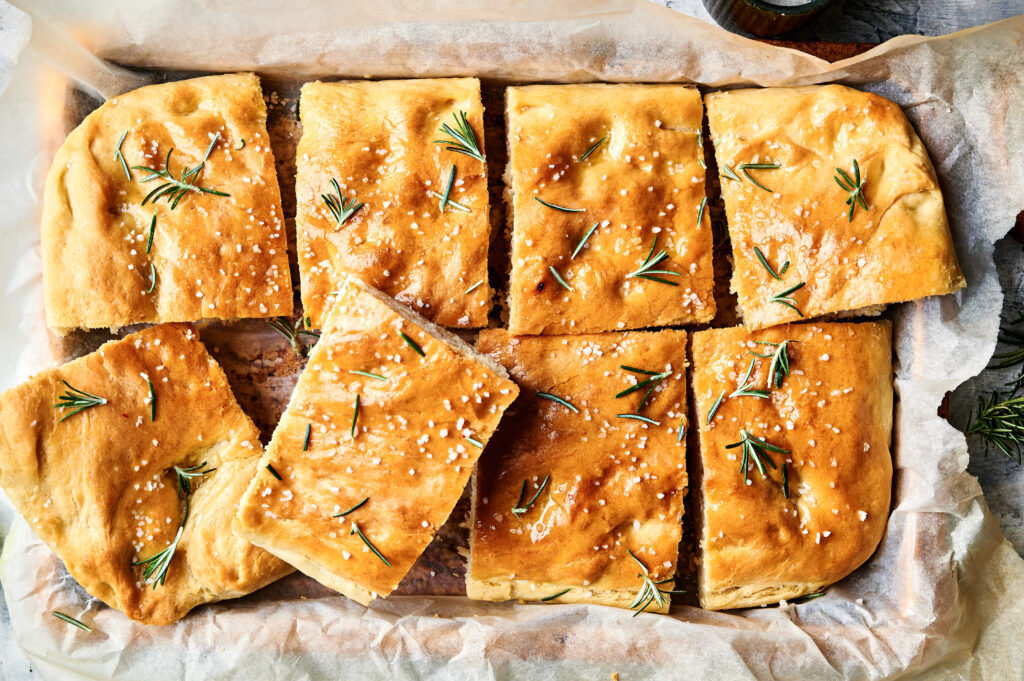
Transfer the sourdough focaccia to a cooling rack by grabbing the sides of the parchment overhang, and then to a baking sheet or baking tray for slicing once it’s cooled. This short rest after baking helps everything settle, making your sourdough bread more flavorful.
If you don’t have a cooling rack, let it cool slightly in the pan before slicing, but it’s also totally okay to tear into it while it’s still warm (if you can’t resist). Either way, enjoy!
Recipe Notes and Expert Tips
I’ve included some practical tips to help you get great results for your sourdough focaccia from start to finish:
- Use a strong, active starter: Your starter should be bubbly and have doubled in size before you use it. This helps make sure your dough rises properly.
- Let the dough rest before folding: The initial 30-minute rest helps the flour absorb water and makes it easier to stretch without tearing.
- Do all the folds: Four stretch-and-folds over two hours build gluten and give the bread its light, chewy texture. Don’t skip any rounds.
- Don’t rush the overnight rise: This long ferment adds a deeper flavor and helps create an airy crumb, so let the dough take its time.
- Grease the pan well: The olive oil not only keeps the dough from sticking but also gives the focaccia a deliciously crispy crust.
- Be gentle when shaping: Preserve as many air bubbles as possible while transferring and stretching the dough, or else, it can turn out flat and dense instead of light and airy.
- Dimple just before baking: If you do it too early, the dough may deflate during the second rise. So, wait until it’s bake time.
- Top it while warm: Brushing on olive oil and adding flaky salt and fresh rosemary while the focaccia is warm lets the flavors pop and soak in.

How to Store Leftovers
Once your focaccia bread has cooled, transfer it to an airtight container and keep it at room temperature for up to 5 days. If you want to keep it longer, freeze slices instead and skip the fridge, as refrigerating sourdough focaccia can speed up its staling process.
Wrap each slice in tin foil and store it in a freezer-safe container. Freeze for up to 3 months. To reheat, place the wrapped slices in a preheated oven, and uncover the top in the last few minutes, so it crisps back up again.
What to Serve With Sourdough Focaccia
Sourdough focaccia works well as both a side and the centerpiece of your table. Pair it with high-fiber options, such as lentil soup, roasted vegetables, or bean salads, or top it with garlic, olives, cherry tomatoes, additional herbs like thyme, or thin slices of onion before baking for extra flavor.
It’s also great alongside pasta and charcuterie boards if you want to turn it into a more filling spread, or serve the slices as a mini square pizza with bacon, ham, and melted cheese. Toasted slices also make the perfect base for dipping into good olive oil and balsamic vinegar.
More Easy Recipes for You to Try at Home
Here are a few more new recipes that are just as versatile and worth making as this sourdough focaccia bread.
- Conch Fritters
- Sourdough Waffles
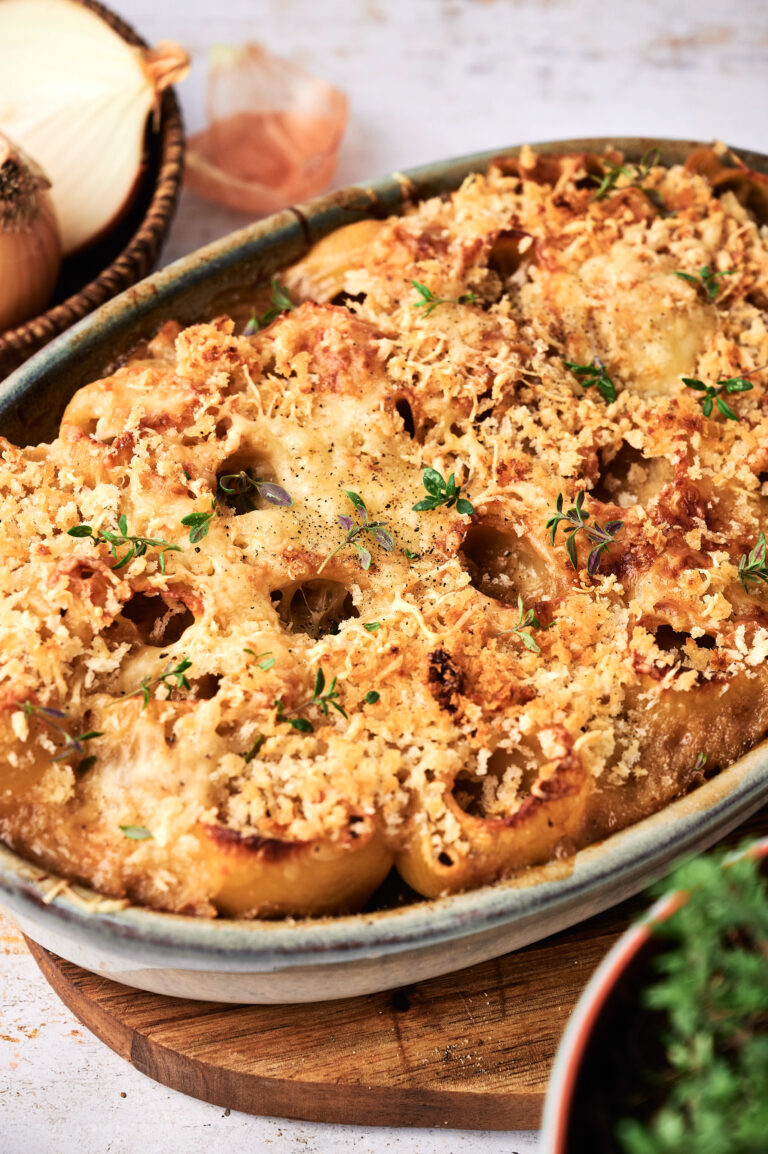
- French Onion Casserole
- Cheddar Bay Sausage Balls
- Jalapeño Honey Cornbread Muffins
Did you make this recipe? We’d love to know! Please leave a 5-star review below (it really helps!) and tag and follow us on Pinterest and Facebook for more tasty inspiration!

Sourdough Focaccia
Ingredients
- ½ cup active starter
- 2 teaspoons kosher salt
- 1 ¾ cup water room temperature
- 4 cups bread flour
- 3 tablespoons extra-virgin olive oil divided, plus more for drizzling
- Flaky sea salt and fresh Romero
Instructions
- In a large bowl, combine the flour and salt. Create a well in the center and add the starter and water. Drizzle in 2 tablespoons of olive oil. Mix by hand or with a spoon until a shaggy dough forms.½ cup active starter, 2 teaspoons kosher salt, 1 ¾ cup water, 3 tablespoons extra-virgin olive oil, 4 cups bread flour
- Cover the dough with a damp towel and let it rest for 30 minutes.
- Then, perform a stretch and fold every 30 minutes for the next 2 hours: Grab one edge of the dough, stretch it upward, and fold it over itself. Rotate the bowl and repeat 3 more times.
- After the final fold, cover the bowl and let the dough rise at room temperature for 8–12 hours, or until doubled in size and bubbly.
- Generously oil a 9×13-inch baking pan with 1 tablespoon of olive oil. Transfer the dough to the pan and gently stretch it toward the corners. Cover and let it rise for another 3–4 hours, until visibly puffy and airy.
- Preheat the oven to 450°F (230°C).
- Drizzle the top of the dough with olive oil. With oiled fingers, press deep dimples all over the surface.
- Bake for 20–25 minutes, or until the focaccia is golden brown and crisp on top.
- While still warm, brush with a bit more olive oil, and sprinkle generously with flaky sea salt and fresh rosemary.Flaky sea salt and fresh Romero
Notes
- Use a strong, active starter: Your starter should be bubbly and have doubled in size before you use it. This helps make sure your dough rises properly.
- Let the dough rest before folding: The initial 30-minute rest helps the flour absorb water and makes it easier to stretch without tearing.
- Do all the folds: Four stretch-and-folds over two hours build gluten and give the bread its light, chewy texture. Don’t skip any rounds.
- Don’t rush the overnight rise: This long ferment adds a deeper flavor and helps create an airy crumb, so let the dough take its time.
- Grease the pan well: The olive oil not only keeps the dough from sticking but also gives the focaccia a deliciously crispy crust.
- Be gentle when shaping: Preserve as many air bubbles as possible while transferring and stretching the dough, or else, it can turn out flat and dense instead of light and airy.
- Dimple just before baking: If you do it too early, the dough may deflate during the second rise. So, wait until it’s bake time.
- Top it while warm: Brushing on olive oil and adding flaky salt and fresh rosemary while the focaccia is warm lets the flavors pop and soak in.